
Selling Land to a Developer in Mississippi - What Landowners Should Know
Selling Land to Developers in Mississippi
Selling land to a developer can be one of the most profitable ways to sell your land, but it is also one of the most complex. A developer buyer is looking for specific characteristics - the right zone classification, access to utilities, favorable topography, and proximity to growth areas. If your Mississippi property checks those boxes, a real estate developer may pay a premium price. If it does not, the developer will pass entirely. Understanding what developers want and how the process of selling to a developer works helps every landowner make a more informed decision about whether this path is right for their property.
Mississippi is experiencing growth in several regions, particularly around the Jackson metro area, the Gulf Coast, DeSoto County near Memphis, and the Golden Triangle. Developers in these areas are actively looking to buy land for residential subdivisions, commercial projects, and mixed-use development. As a landowner, knowing how to position your property and attract developer interest can significantly impact your sale price and timeline.
How Developers Evaluate Your Land
Before a developer makes an offer on your land, they conduct extensive due diligence. Understanding what a developer looks for helps you assess whether your property is a strong candidate for a developer sale:
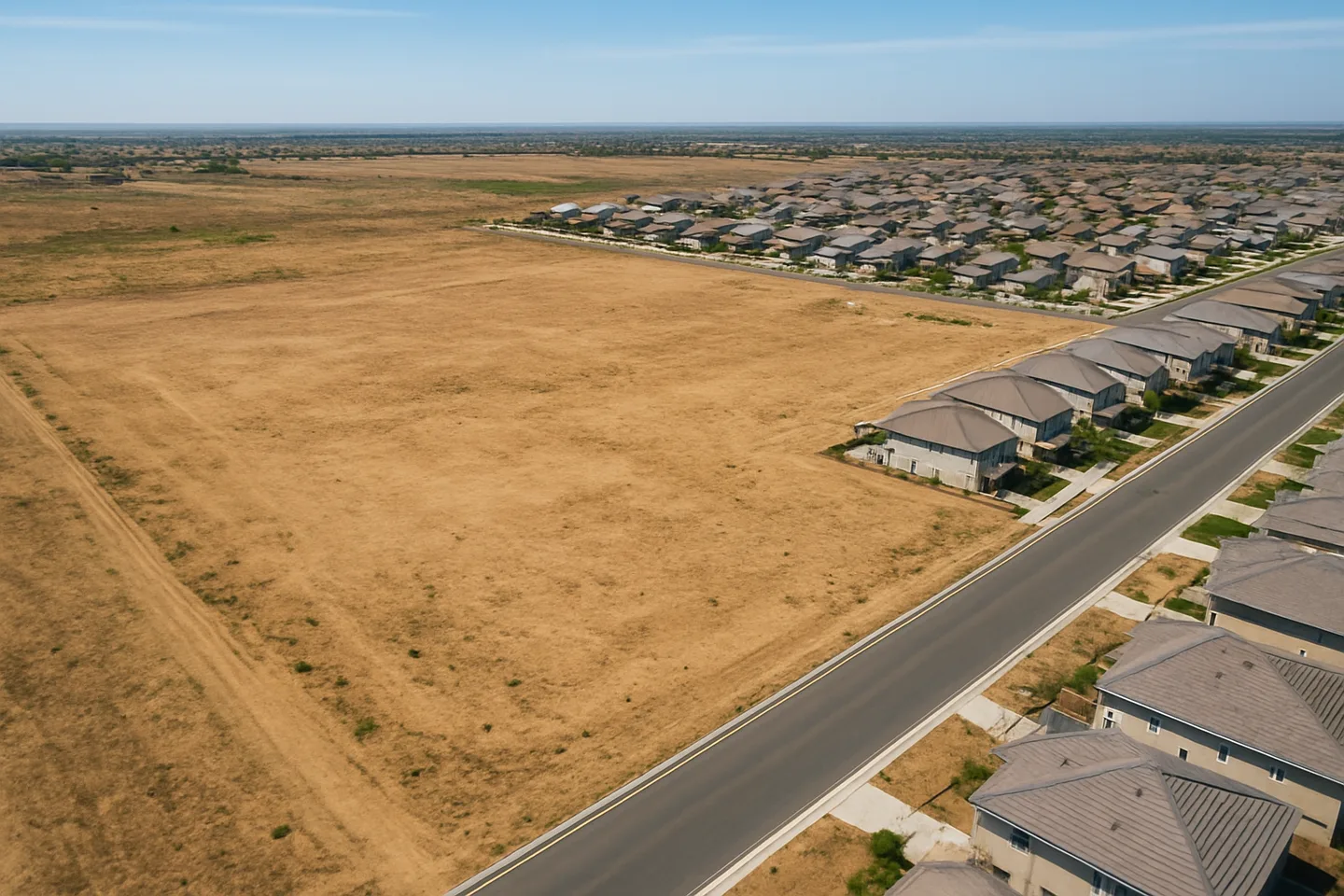
- Zoning and entitlements - the zone classification determines what a developer can build. Residential zone land is valuable for housing subdivisions. Commercial zone land attracts retail and office developer projects. Raw land without the right zone may require a rezoning application, which adds time and risk for the developer
- Utilities and infrastructure - a developer needs access to water, sewer, electricity, and roads. Land with existing utility connections is worth more than a parcel that requires the developer to extend infrastructure at their own cost
- Topography and environmental factors - flat, well-drained land is easiest to develop. Flood zone parcels, wetlands, or steep terrain increase the developer's construction costs and may limit what they can build
- Location and market demand - a developer buys land where buyer demand exists. Parcels near growing population centers, major highways, schools, and commercial corridors attract more developer interest
- Size and shape - a developer needs enough acreage to make a project economically viable. Most residential developer projects require at least 10-20 acres. Irregular parcel shapes can reduce the number of buildable lots
A developer's due diligence process typically takes 60-120 days. During this period, the developer investigates soil conditions, surveys the land, reviews environmental reports, confirms the zone status, and finalizes their development plan. As a seller, expect a longer timeline when selling land to a developer compared to a traditional land sale or selling to a cash land buyer.
How to Sell Land to a Developer - Steps for Landowners
If you are looking to sell land to a developer in Mississippi, follow these steps:
Step 1: Assess your property's developer appeal. Check the zone classification with your county planning office. Confirm utility availability. Review any environmental constraints. A landowner who understands their property's strengths and limitations negotiates from a stronger position with a developer.
Step 2: Get a professional appraisal or land valuation. Hire a real estate appraiser or consultant who understands development land value. The land value for a developer buyer is based on what can be built on the property, not just comparable raw land sales. A consultant familiar with developer transactions can help you understand what your property is worth to a developer.
Step 3: Market to developers. Identify active real estate developers in your area. Check recent building permits, new subdivision filings, and commercial construction projects. Reach out to local real estate agents who specialize in developer transactions. You can also list your land on commercial real estate platforms that developers monitor. A listing targeted at developer buyers should emphasize the zone, acreage, utility access, and development potential.
Step 4: Review and negotiate offers. A developer offer typically includes a purchase agreement with a due diligence period, contingencies for rezoning or permitting, and specific closing timeline. The landowner should have a real estate attorney review any developer agreement before signing. Developer contracts are more complex than standard land sale agreements, and the seller needs to understand what they are agreeing to.
Step 5: Close the transaction. Once due diligence is complete and all contingencies are satisfied, the developer and seller close through a title company. The landowner receives the agreed sale price and the developer takes ownership of the property.
Negotiating a Real Estate Deal with a Developer
Negotiating with a real estate developer is different from negotiating a standard land sale. A developer is a sophisticated buyer who knows exactly what the land is worth based on their development plan. Here are key negotiation points every landowner and seller should understand:
- Due diligence period - the developer will request 60-120 days to complete their due diligence. During this time, the developer can walk away if they find problems. As a seller, try to limit the due diligence period and require a non-refundable earnest money deposit after a reasonable investigation window
- Contingencies - a developer may make the purchase contingent on rezoning approval, environmental clearance, or financing. Each contingency is a potential exit for the developer buyer. Fewer contingencies mean a more secure deal for the landowner
- Price vs. terms - a developer may offer a higher price but with longer timelines and more contingencies. A cash buyer may offer a lower price but with a faster, more certain closing. The seller must weigh which combination of price and terms works best for their situation
- Seller financing - some developers ask the landowner to carry a note for part of the purchase price. This can increase your total return but adds risk if the developer defaults. Consult a real estate attorney before agreeing to any seller financing arrangement
A real estate attorney or consultant experienced in developer transactions is essential for any landowner selling to a developer. The agreement terms matter as much as the sale price, and a seller who understands the contract is in a much stronger position.
Selling to a Developer vs. a Cash Land Buyer
Not every parcel attracts developer interest. If your land does not have the right zone, utility access, or location for development, selling to a developer is not a realistic option. Even land that is developer-friendly may sit on the market for months while you wait for the right developer buyer.
For landowners who want to sell your land without the complexity and uncertainty of a developer transaction, selling to a direct cash land buyer is a simpler alternative. A cash land buyer purchases your property as-is, handles all paperwork, and closes in as little as 2 weeks. The sale price may be lower than what a developer would pay, but the speed, certainty, and simplicity of the transaction make it the preferred option for many Mississippi landowners.
Whether you sell land to a developer or to a cash buyer depends on your property, your timeline, and your priorities. If you are looking to sell quickly and avoid the lengthy due diligence process, a direct land buyer is the faster path. If you have the time and the right property, selling land to a developer can maximize your return.
FAQ About Selling Land to Developers
How do I find a developer to buy my land?
Check recent building permits and subdivision filings in your county. Contact local real estate agents who work with developers. List your property on commercial real estate platforms. Attend local real estate investment group meetings. Active developers are always looking to buy land in growing areas, so positioning your property where they can find it is key.
How long does it take to sell land to a developer?
Selling land to a developer typically takes 6-18 months from initial contact to closing. The developer's due diligence period alone can take 60-120 days. Rezoning, if required, adds additional months. If you need to sell faster, a direct cash land buyer can close in as little as 2 weeks.
Do I need a real estate agent to sell to a developer?
Not necessarily, but having a real estate agent or consultant experienced in developer transactions can help you identify potential developer buyers, negotiate better terms, and navigate complex contracts. A real estate attorney should review any developer agreement before you sign regardless of whether you use an agent.
Sell Your Mississippi Land for Cash
Whether your land is right for a developer or not, we can help. We buy Mississippi land directly for cash with no commissions, no fees, and no closing costs. If you are a landowner looking to sell without the complexity of a developer transaction, get a no-obligation cash offer from us today.
Need to sell your Mississippi land? We buy land directly from owners for cash, with no fees, no commissions, and we close in as little as 2 weeks.
Loading form...